Online Stores
Shopify or a Custom-Built Online Store: Which Is Right for Your Business in 2026?
When Shopify is the better choice, when a custom store built in Next.js pays off, what each costs to build and run, and real stores we built both ways.
By Kazim Noorani, Managing Director
For most online stores that sell products through a normal cart and checkout, Shopify is the better choice: it is quicker to launch, payments, hosting and security are included, and your team can run it without a developer. A custom-built store, for example in Next.js, pays off when the way you sell does not fit a standard cart, such as quotes, made-to-order products or appointments, or when you need a front end Shopify cannot give you. Our online store projects start from USD 3,000 either way, and a Shopify store usually takes 3 to 6 weeks.
When is Shopify the better choice?
- You sell physical products with a normal cart and checkout
- You want to launch quickly and keep running costs predictable
- Your team should be able to add products, discounts and pages without a developer
- You want payments, hosting, security and updates handled for you
- You need apps for reviews, subscriptions, email or shipping without custom work
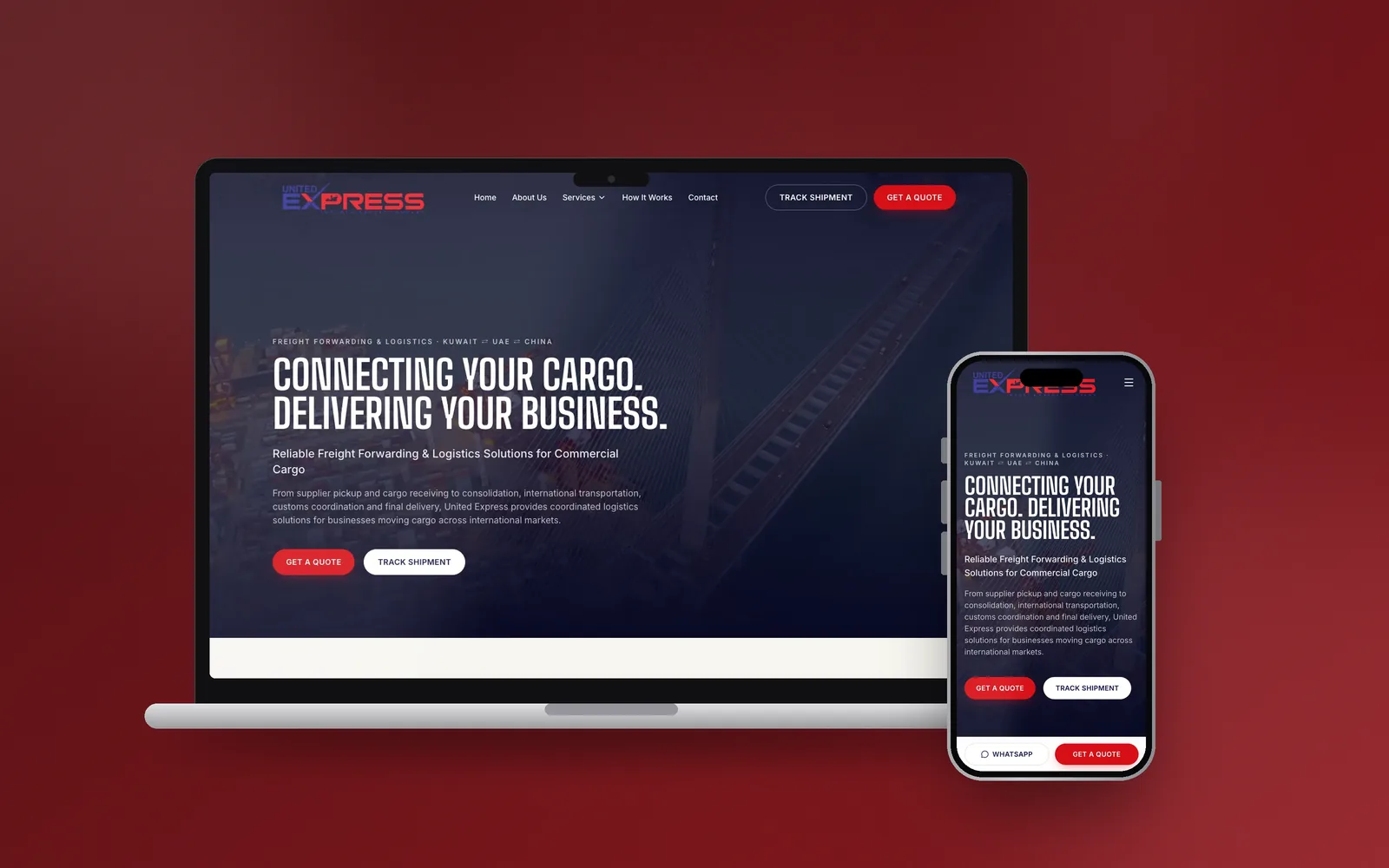
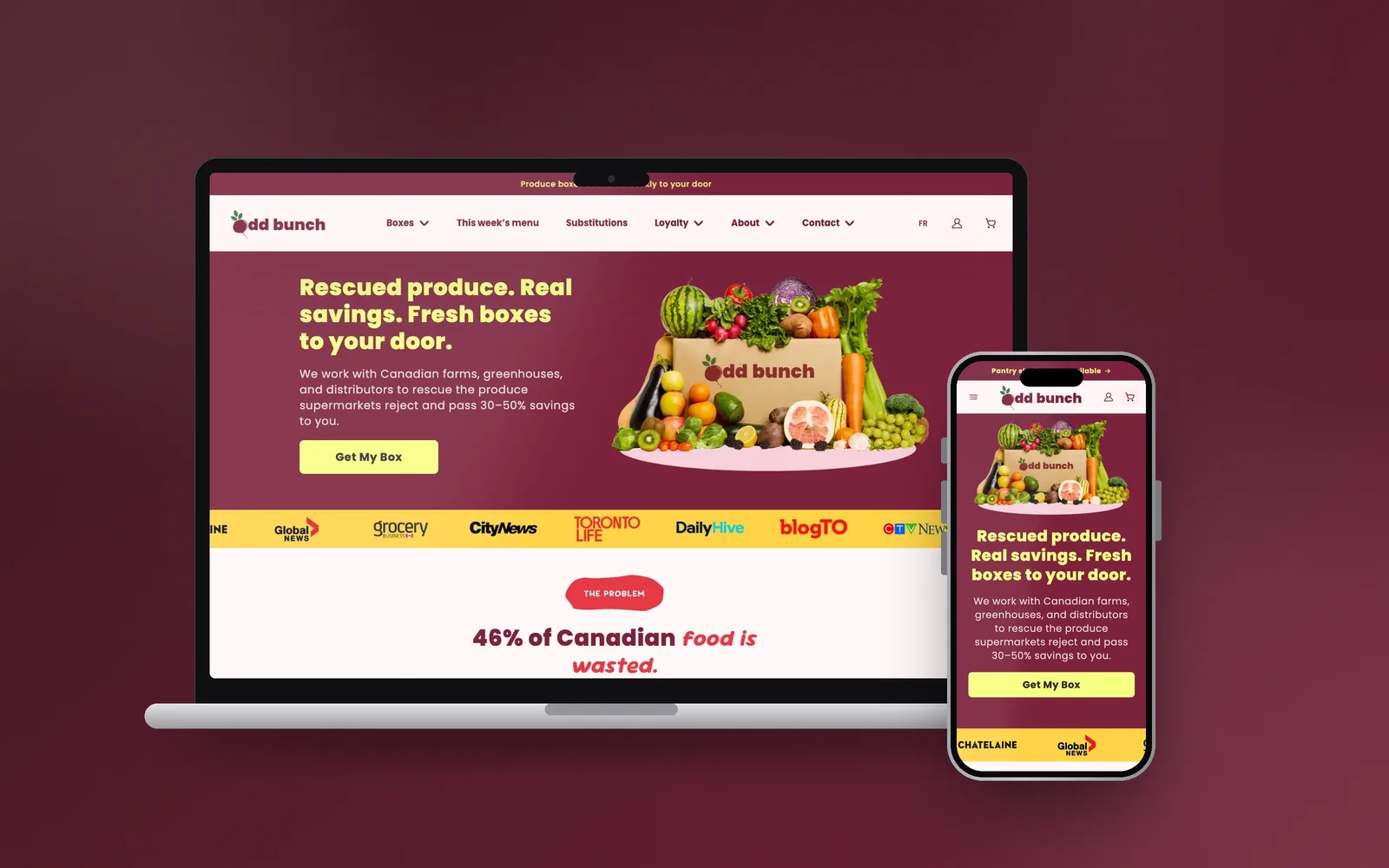
We built Khaleej Tools in the UAE, Oddies in Australia and Odd Bunch in Canada on Shopify with custom themes. Khaleej Tools sells a large industrial catalog with wholesale pricing for trade buyers; Oddies and Odd Bunch sell produce boxes.
When does a custom-built store pay off?
- Customers customize products, such as names, numbers or artwork, before ordering
- Sales close through an inquiry, a quote or an appointment rather than a cart
- You need a very fast, highly designed front end or content-heavy pages
- Your store is one part of a larger system, such as a CRM, booking or production workflow
- Monthly app fees for features you need are adding up
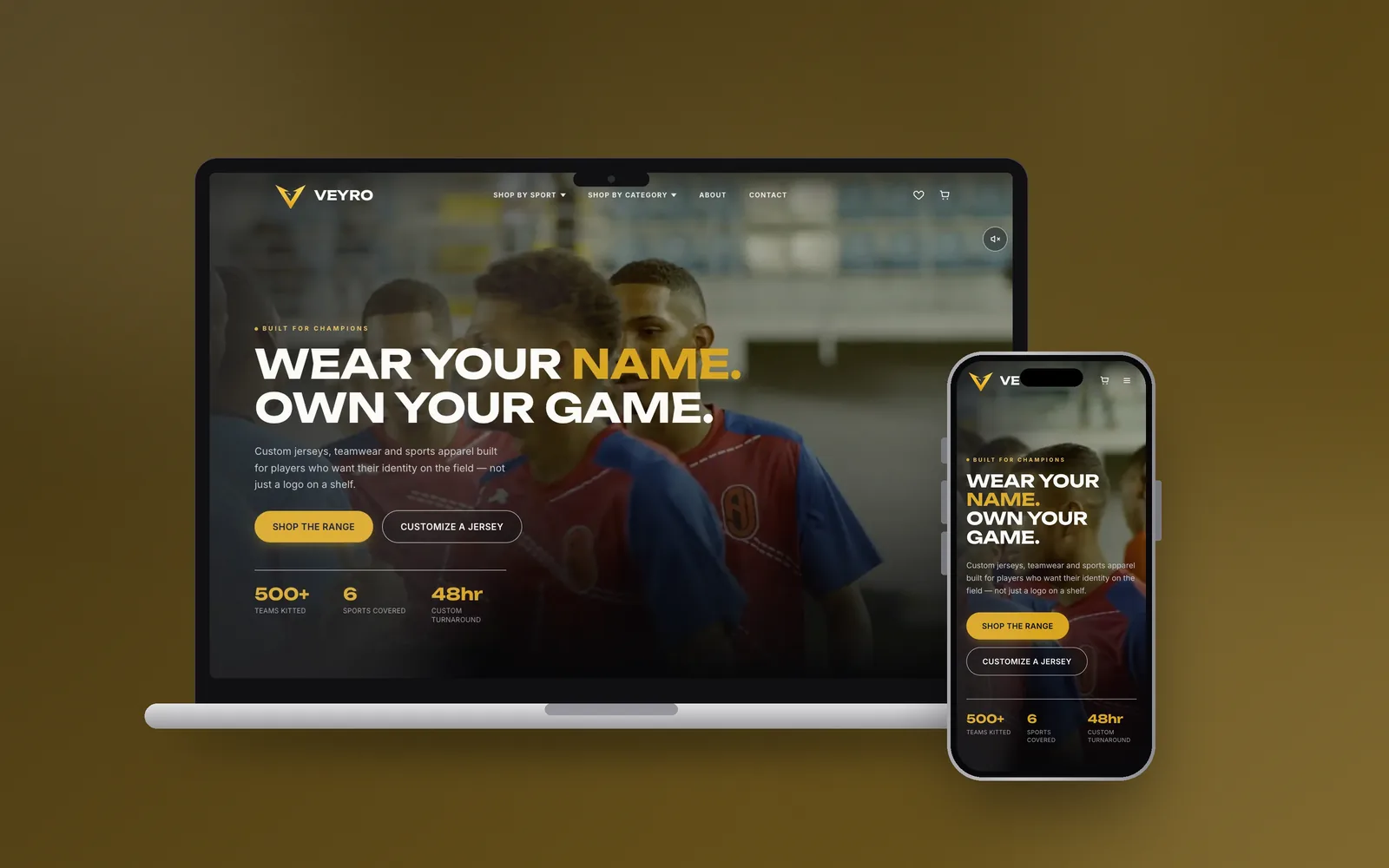
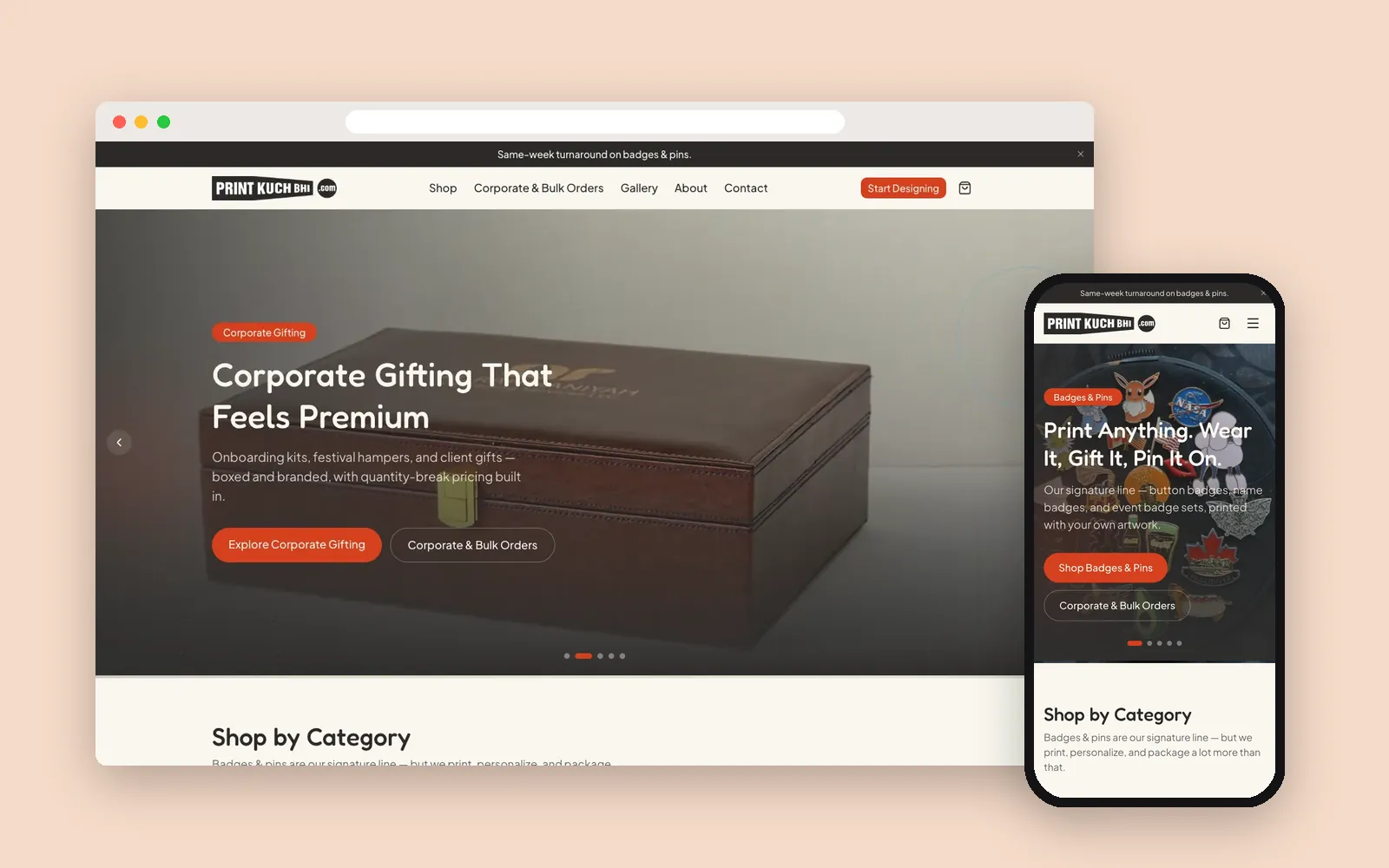
Veyro Sports sells custom team jerseys on a store we built in Next.js, with a filterable catalog and a clear path for teams to order their own names, numbers and colors. For Shriji Creation, an Indian ethnic wear label in the New York area, we built an inquiry-led catalog prototype where every product leads to an inquiry, a styling appointment or WhatsApp instead of a cart, because high-value occasion wear sells through conversation. Print Kuch Bhi kept its WooCommerce store and gained a faster Next.js storefront for corporate and bulk orders.
How do the costs compare?
Shopify: a monthly plan, card fees on each sale and app subscriptions, plus the one-time cost of setting up and designing the store. You never pay for hosting or security updates separately.
Custom store: a larger one-time build, then hosting and maintenance, with no platform fee. You choose your own payment provider. It usually costs more in the first year and can cost less later if you would otherwise pay for many apps or a higher plan.
Compare the total over three years, including apps, fees and changes you expect to need, rather than just the launch price.
Is there a middle option?
Yes. A headless store keeps Shopify (or WooCommerce) for products, checkout and orders, and puts a custom Next.js front end in front of it. You get a fully custom design and speed while Shopify still handles payments and the admin. It costs more than a standard Shopify theme, so it suits brands that have outgrown themes rather than new stores.
What about SEO and speed?
Both can rank well. Shopify themes vary a lot in speed, and many apps add scripts that slow pages down, so choose a light theme and few apps. A custom store gives full control over speed and page structure, which helps on content-heavy sites, but only if it is built with search in mind from the start.
Frequently asked questions
Is Shopify better than a custom website?
For most stores selling products through a normal cart, yes: it is quicker, cheaper to run and easy for your team. A custom store is better when you sell through quotes, customization or appointments, or need a front end Shopify cannot give you.
Is a custom ecommerce website more expensive?
Usually in the first year, because the build is larger. Over several years it can cost less if you would otherwise pay for many apps or a higher Shopify plan.
What is a headless Shopify store?
A store that uses Shopify for products, checkout and orders, with a custom front end, often built in Next.js, for the pages customers see.
Can I move from Shopify to a custom store later?
Yes. Products, customers and orders can be exported, and redirects keep your search rankings. Many brands start on Shopify and go custom or headless when they outgrow it.
How much does an online store cost to build?
Our online store projects start from USD 3,000. A Shopify store usually takes 3 to 6 weeks; custom features and integrations add time and cost.
Related Services
Planning a project like this?
Tell us what you need. We reply within one business day with next steps, a rough timeline and the questions that matter.
More Insights
Magento Migration in 2026: Upgrade Magento 2, Move to Adobe Commerce, or Switch to Shopify?
How Much Does a Shopify Store Cost in Canada in 2026?