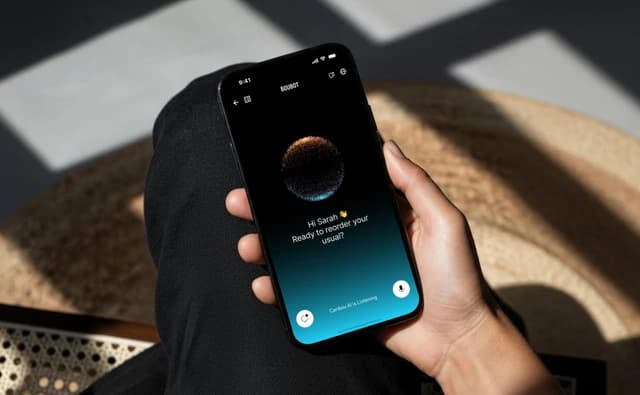
Human Machine Interface
Interface Design Where the Screen Is Only Part of the Interaction
Interface design for devices, kiosks and embedded systems where the screen is only part of the interaction.
Our Process

Understanding the physical environment the interface will actually be used in.
Designing for the specific input method - touch, dial, buttons - the device actually has.
High-contrast, glanceable visual design suited to the device's screen and lighting conditions.
Testing designs on the actual device or a close hardware proxy, not just a simulator.
Specs handed to your firmware/hardware team in a format they can implement directly.
Designing an interface for a device, not just an app? Let's talk about the physical constraints first.
Talk to an Expert→Related Industries


Human Machine Interface Services We Offer
Kiosk & Panel Interface Design
Interface design for kiosks, embedded displays and industrial control panels.
Environment-Aware Design
Design that accounts for gloved hands, outdoor glare and quick glances.
Icon & Interaction Systems
Interaction systems that work without relying on text alone.
Hardware Prototyping
Prototyping against the actual hardware, not just a simulator.
Why Choose Infigrity for Human Machine Interface?
Designed for Real-World Conditions
Gloved hands, outdoor glare and quick glances are design constraints from day one, not edge cases discovered after launch.
Prototyped on Actual Hardware
Testing happens on the real device or a close hardware proxy, not just a screen simulator that hides real usability problems.
Collaborative With Your Hardware Team
We design within the technical constraints your firmware and hardware engineers define, not in isolation from them.
Built for Non-Touch Inputs Too
Dials, buttons and physical controls get designed for properly, not treated as an afterthought to a touchscreen.
More in Experience Design
Experience Design
Most redesigns fail for the same reason: nobody watched a real person try to use the old version first. We start with research, not a mood board, then design interfaces for web, mobile and commerce that people actually complete tasks in. Same design system, same team, from wireframe through to launch.
Learn more→UI/UX Design
We start with how people actually use the product, not a mood board. Research and structure come before visual design, so the interface you launch with has already been tested against real user flows - across web, mobile and commerce.
Learn more→Website Design
We design websites people can navigate without thinking about it - clear structure, fast load times, and a path to the action you actually want a visitor to take. Built on solid SEO foundations from day one, not added on afterward.
Learn more→Mobile Experience
App experiences designed around how people actually hold, tap and use their phones - not a shrunk-down desktop screen.
Learn more→Commerce Experience
Storefront and checkout design that reduces friction at every step between browsing and buying.
Learn more→Frequently Asked Questions
Kiosks, industrial control panels, embedded displays and similar device interfaces - anywhere a screen is part of a larger physical product rather than a standalone app.
Ideally yes, or detailed specs (screen size, input method, environment) - designing without understanding the physical constraints usually produces an interface that doesn't actually work on the device.
Yes - HMI design is inherently collaborative with hardware teams; we design within the technical constraints they define, not in isolation from them.
Yes - HMI design accounts for physical-world conditions (gloves, glare, quick glances, non-touch inputs) that standard app design doesn't need to consider.
Related Services
UI/UX Design
We start with how people actually use the product, not a mood board. Research and structure come before visual design, so the interface you launch with has already been tested against real user flows - across web, mobile and commerce.
Learn more→AI & Machine Learning
AI and machine learning solutions built around a specific outcome - recommendation engines, demand forecasting, intelligent automation and natural-language tools - rather than AI for its own sake. We scope, build and ship models that integrate with the systems you already run.
Learn more→Quality Assurance & Testing
We test the way your users will actually use the product - real devices, real edge cases, real regression passes before every release, not a rushed check the week before launch. Manual and automated testing work together, so bugs get caught while they're still cheap to fix.
Learn more→