Mobile Apps
Flutter vs React Native vs Native Apps: Which Should Your Business Build?
Flutter or React Native builds iPhone and Android apps from one codebase, at close to the cost of one. Native still wins for hardware-heavy apps.
By Kazim Noorani, Managing Director
For most business apps, a cross-platform framework is the better value: Flutter or React Native builds your iPhone and Android apps from one codebase, so you pay close to the cost of one app and every feature reaches both platforms together. Fully native apps, written in Swift for iPhone and Kotlin for Android, are worth the extra cost when your app depends heavily on the camera, augmented reality, Bluetooth devices or other hardware.
Between the two cross-platform options, choose Flutter for a polished, consistent design on both platforms, and React Native if your team already works in React and JavaScript.
What is the difference, in plain English?
- Flutter (from Google): one codebase in the Dart language. Flutter draws every screen itself, so the app looks the same on iPhone and Android.
- React Native (from Meta): one codebase in JavaScript or TypeScript, using each phone's own interface parts. A natural fit for teams that already build websites in React.
- Native: two separate apps, Swift for iPhone and Kotlin for Android. Full access to every phone feature on day one, but two codebases to build and maintain.
Which costs less?
Cross-platform is usually cheaper to build and much cheaper to maintain, because there is one codebase instead of two. You still test on both platforms, and some features need a little platform-specific work, but you are not paying two teams to build the same screens.
Native costs more up front and over time: every new feature is built twice, and both apps need yearly updates when Apple and Google release new versions of their systems.
Is a cross-platform app slower?
For booking, ordering, field-team, learning and marketplace apps, users will not notice a difference. Both Flutter and React Native are used in large, well-known apps. Performance matters more in apps with heavy 3D graphics, real-time video processing or complex animation, which is where native has the edge.
When should you choose native?
- The core of the app is the camera, augmented reality or real-time video
- The app talks to Bluetooth or other hardware in ways the frameworks do not support well
- You need a brand-new Apple or Google feature on the day it launches
- You only need one platform, for example an iPad-only app for your staff
What do we use, and why?
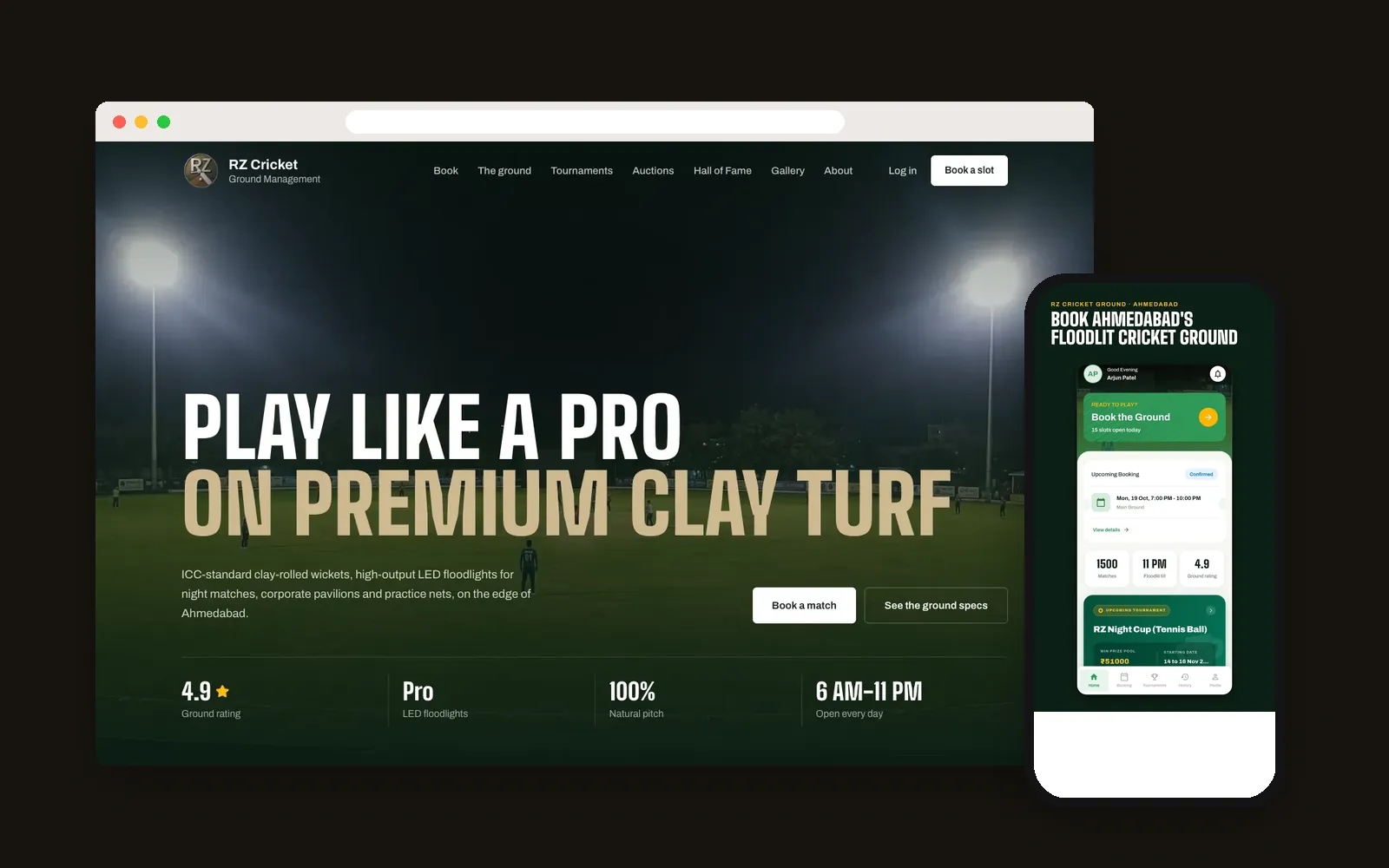
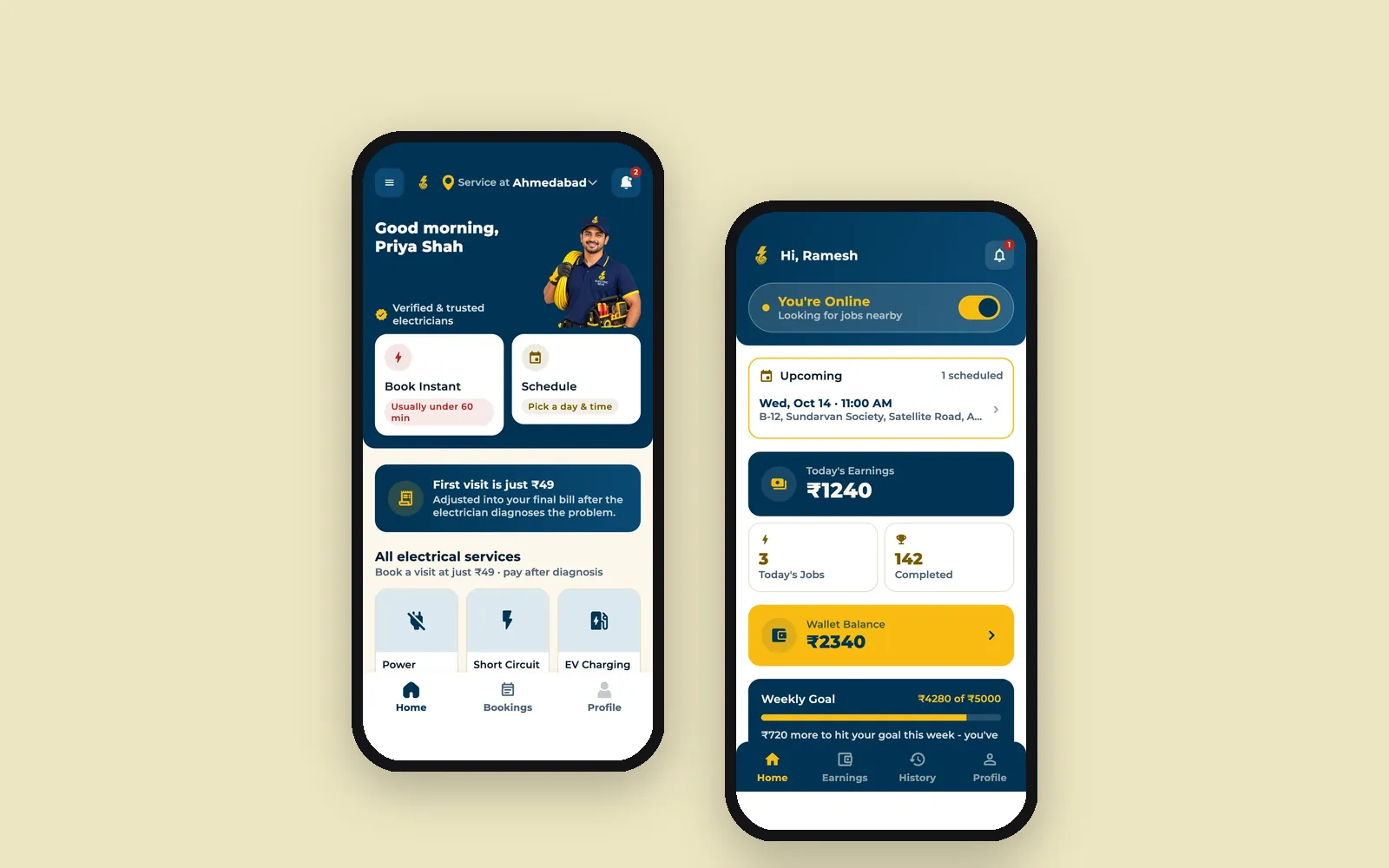
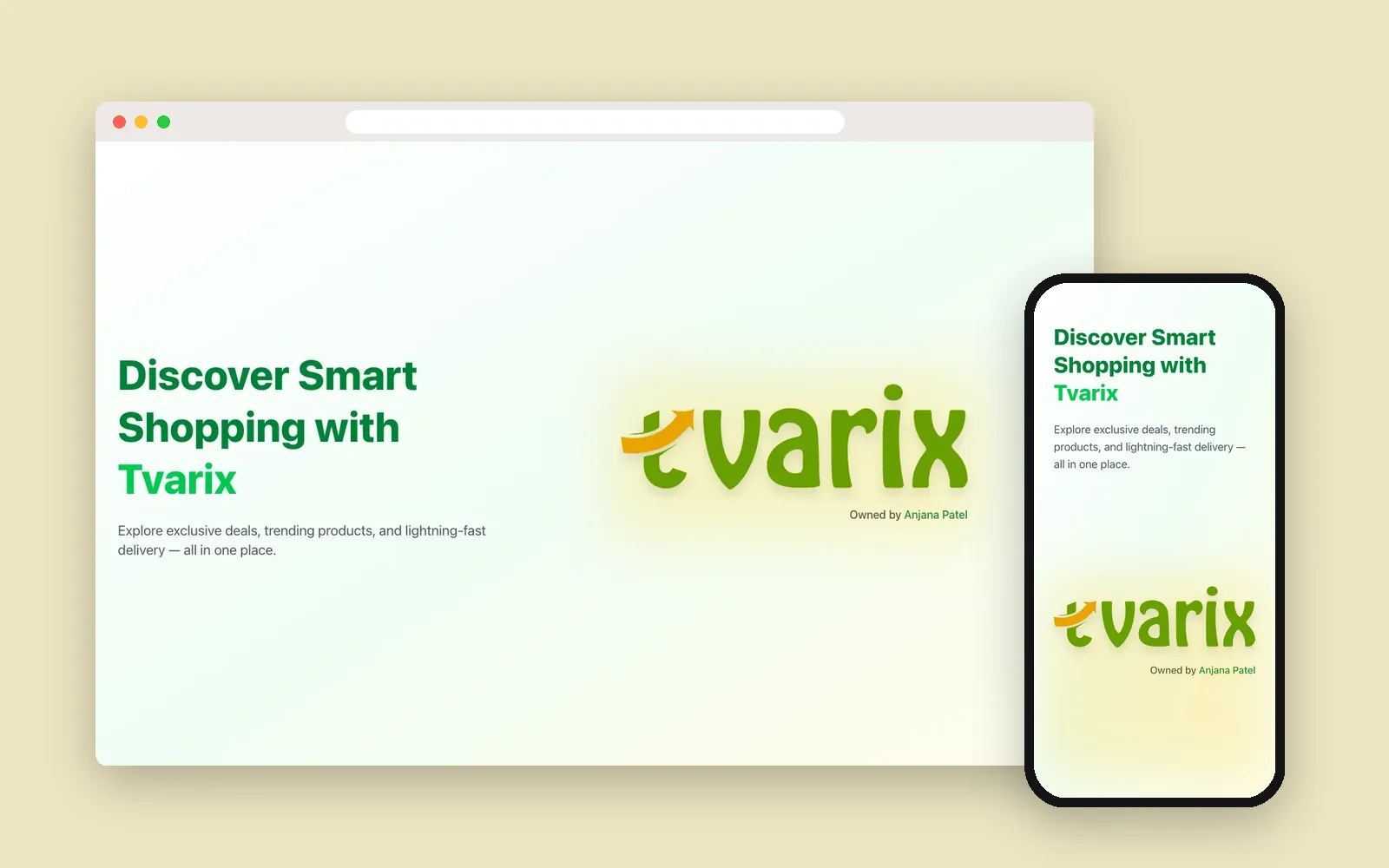
We build most apps in Flutter. Bizi, a classroom app for US schools, is live on the App Store and Google Play from one Flutter codebase, so every feature lands on iPhone and Android together. Tvarix runs three connected apps (customers, local sellers and riders) on Flutter with one shared design system. Truck Sathi, Electric Seva and RZ Cricket Ground are Flutter apps live on Google Play.
We recommend React Native when a client's own team already works in React, and native when the app lives or dies on hardware features. Our app projects start from USD 8,000 for a focused first version.
How do you decide for your app?
List the five features your app cannot launch without. If none of them depend on special hardware, choose cross-platform. Then choose Flutter or React Native based on design needs and who will maintain the app in future. If one of the five is hardware-heavy, build a small native test of that feature before you commit.
Frequently asked questions
Is Flutter better than React Native?
Neither is better for every app. Flutter gives a consistent, polished design on both platforms. React Native suits teams that already work in React and JavaScript. Both build iPhone and Android apps from one codebase.
Is a Flutter app as good as a native app?
For most business apps, yes: users will not notice a difference. Native still has an edge for apps built around the camera, augmented reality or special hardware.
Can a Flutter app be published on the App Store?
Yes. Flutter apps are published on the App Store and Google Play like any other app. Bizi, which we built in Flutter, is live on both.
How much does a Flutter app cost?
Our Flutter app projects start from USD 8,000 for a focused first version on iPhone and Android. Apps with payments, bookings or several types of user cost more.
Related Services
Have a project this connects to? We’d like to hear about it.
Talk to Us→